Table of Contents
- 1. What is Proventil?
- 2. How Proventil Works
- 3. Is Proventil a Rescue Inhaler?
- 4. When to Use Proventil
- 5. How to Use Proventil Properly
- 6. Side Effects and Risks
- 7. Proventil vs Other Rescue Inhalers
- 8. Rescue vs Maintenance Inhalers
- 9. Prescription, Cost, and Access
- 10. Practical Asthma Management Tips & Emergency Signs
What is Proventil?
For readers looking into asthma inhaler options, buy ventolin without prescription can point to a product page with usage details, dosage notes, precautions, and ordering information.
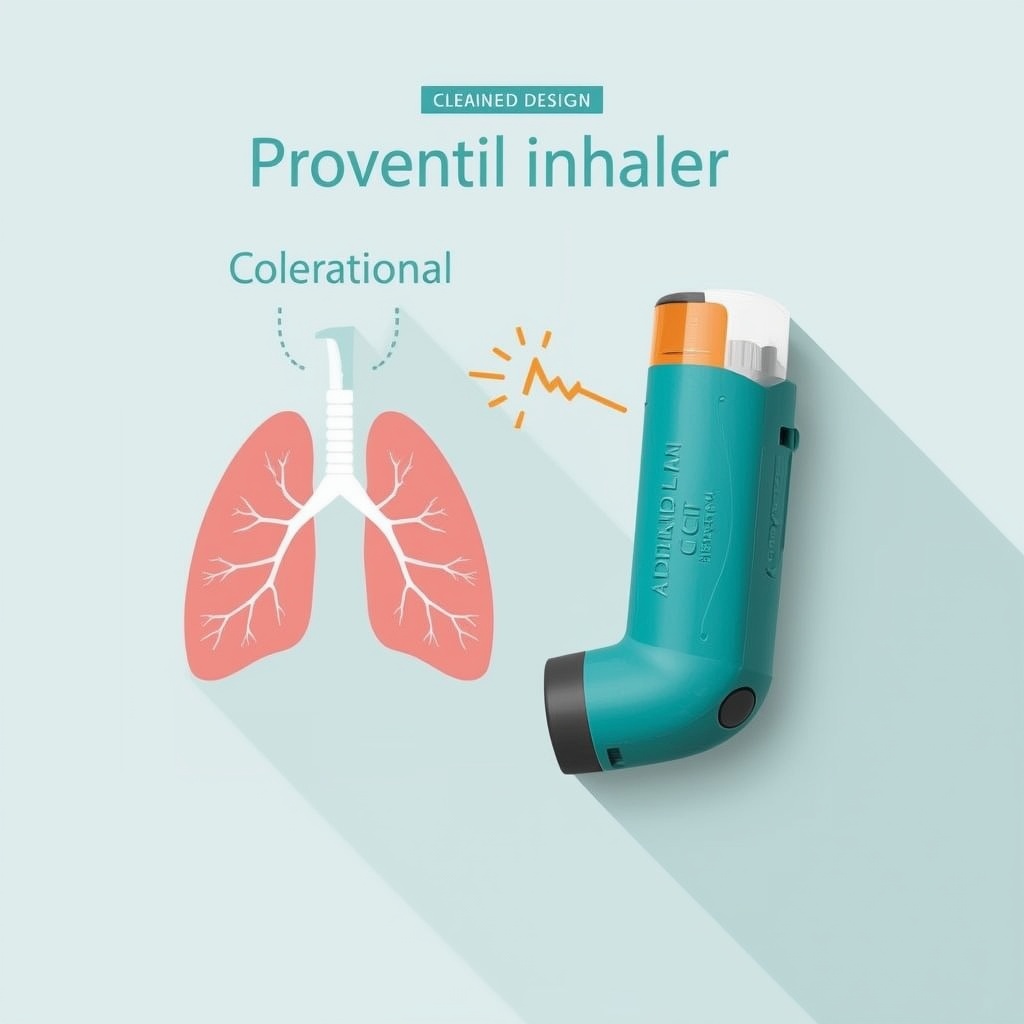
Proventil is a brand name for an inhaler whose active ingredient is albuterol sulfate (also called salbutamol in some countries). Albuterol is a short-acting beta2-adrenergic agonist (SABA) that relaxes bronchial smooth muscle, opening airways quickly. Proventil HFA is offered as a metered-dose inhaler (MDI) and is commonly prescribed for relief of acute bronchospasm in conditions such as asthma, chronic obstructive pulmonary disease (COPD), and exercise-induced bronchoconstriction.
How Proventil Works
Proventil works by stimulating beta2 receptors in the lungs, which leads to relaxation of the muscles surrounding the airways. This bronchodilation reduces airway resistance and improves airflow within minutes, typically peaking around 30–60 minutes and lasting about 4–6 hours. Because its onset is rapid, Proventil is used to relieve sudden breathing difficulty rather than to provide long-term inflammation control.
Is Proventil a Rescue Inhaler?
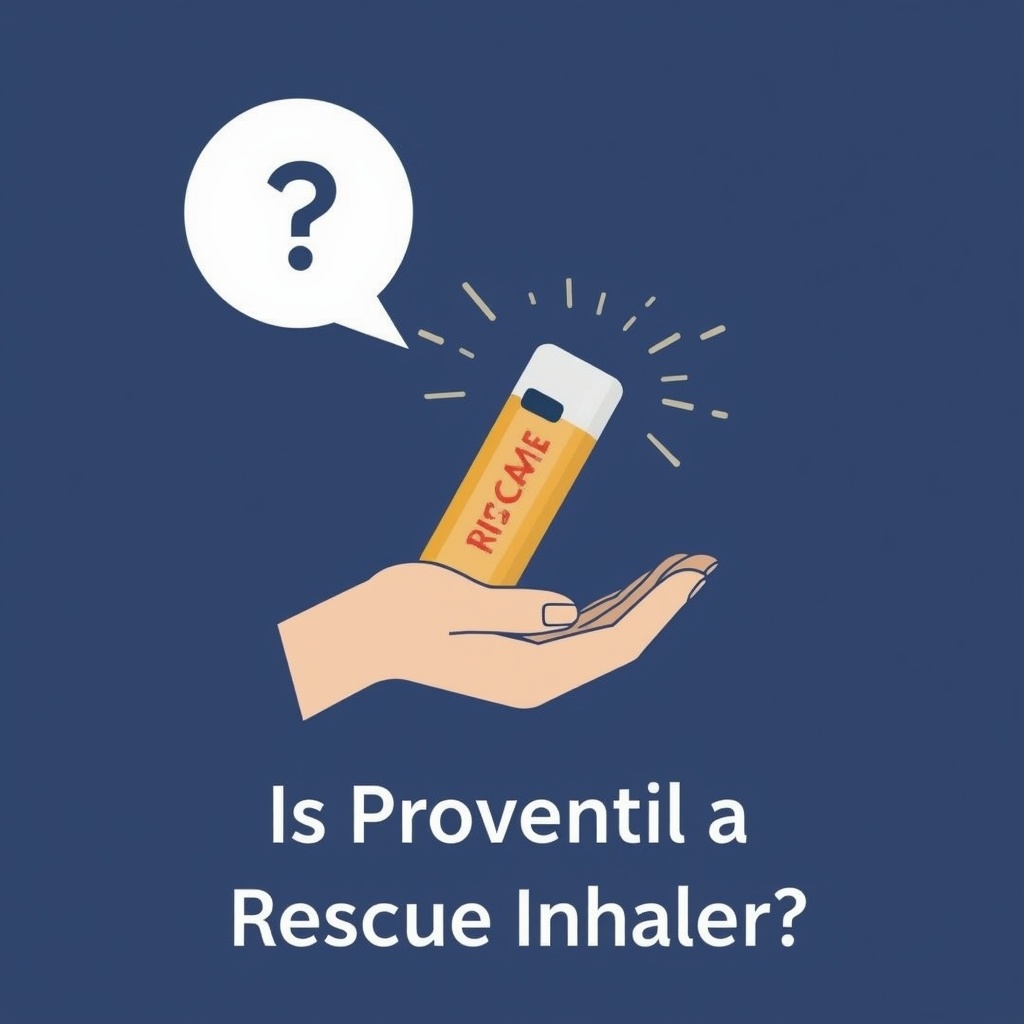
Short answer: yes. The primary role of Proventil is as a rescue or “reliever” inhaler. When someone experiences sudden wheezing, shortness of breath, or asthma symptoms that come on quickly, Proventil is used to rapidly open the airways and reduce symptoms. It is not designed to control underlying airway inflammation or to replace maintenance medications like inhaled corticosteroids.
When to Use Proventil
Knowing when to use Proventil helps prevent overuse and signals when your asthma may need a treatment review. Typical situations include:
- During an acute asthma attack or sudden worsening of wheeze and breathlessness
- Before exercise to prevent exercise-induced bronchospasm (as directed by a provider)
- When rescue inhalation is recommended in your asthma action plan for symptom escalation
Important guideline: if you need your rescue inhaler more than twice a week for symptom relief (not counting pre-exercise doses), that suggests inadequate control and you should talk to your healthcare provider about stepping up maintenance therapy.
How to Use Proventil Properly
Proper technique maximizes benefit. General steps for an MDI like Proventil HFA include shaking the inhaler, exhaling gently, sealing lips around the mouthpiece, pressing the canister while inhaling slowly and deeply, holding your breath for 5–10 seconds, and exhaling slowly. If using a spacer, which improves delivery to the lungs, follow spacer-specific instructions.
Key practical tips:
- Prime new inhalers or those unused for a week by spraying into the air per label instructions.
- If you need more than one puff, wait about 20–30 seconds between puffs and shake the inhaler again.
- Rinse your mouth after use if instructed—this is more relevant to steroids, but good hygiene reduces local irritation.
Side Effects and Risks
Proventil is generally safe when used as prescribed, but side effects can occur because albuterol also affects other beta receptors. Common side effects include:
- Tremor or shakiness
- Increased heart rate (palpitations)
- Nervousness or headache
- Muscle cramps or low potassium in rare cases
Serious but uncommon risks include paradoxical bronchospasm (worsening breathing after use) and excessive cardiovascular stimulation, especially in people with heart disease. Overuse of albuterol (frequent puffs beyond prescribed limits) can mask worsening control and increase risk for severe exacerbations. Always follow the prescribed dose and consult your clinician for any concerning symptoms.
Proventil vs Other Rescue Inhalers
Proventil (albuterol) is one of several SABA inhalers. Other common rescue options include Ventolin HFA (albuterol, same active ingredient) and Xopenex (levalbuterol, a different isomer of albuterol). Patients may respond differently to formulations and inhaler devices, and insurance coverage often influences choice.
| Inhaler | Active Ingredient | Onset | Typical Use |
|---|---|---|---|
| Proventil HFA | Albuterol sulfate | 1–5 minutes | Rescue for acute bronchospasm |
| Ventolin HFA | Albuterol sulfate | 1–5 minutes | Rescue; essentially equivalent to Proventil in many cases |
| Xopenex (nebulizer or MDI) | Levalbuterol | 1–5 minutes | Rescue; may cause fewer tremors in some patients |
Choice among these often depends on side effect profile, insurance coverage, and clinician preference. For most patients, generic albuterol is effective and cost-saving.
Rescue vs Maintenance Inhalers
Clarifying the difference helps answer the core question: is Proventil a rescue inhaler? Yes — Proventil is a rescue inhaler; it is not a maintenance drug. Maintenance inhalers typically include inhaled corticosteroids, long-acting beta-agonists (LABAs paired with steroids), or combination inhalers that control inflammation and prevent symptoms over time.
| Feature | Rescue Inhaler (e.g., Proventil) | Maintenance Inhaler (e.g., Flovent, Symbicort) |
|---|---|---|
| Primary purpose | Immediate symptom relief | Long-term control and prevention |
| Onset | Minutes | Days to weeks for full effect |
| Use frequency | As needed (acute) | Daily, as prescribed |
Prescription, Cost, and Access
In the United States, Proventil HFA and other albuterol inhalers are typically prescription medications. Generic albuterol (MDI and nebulizer solutions) is widely available and often much cheaper than brand-name inhalers. Patient assistance programs, coupons, or choosing a generic can reduce out-of-pocket cost. Pharmacies also carry albuterol in nebulizer form, which is often used in clinics or by patients who prefer a nebulizer machine.
Insurance coverage varies; check your plan for preferred brands and prior authorization requirements. If cost or access is a barrier, ask your clinician about generic albuterol alternatives or manufacturer savings programs.
Practical Asthma Management Tips & Emergency Signs
Simple strategies can help you get the most from a rescue inhaler like Proventil while avoiding pitfalls:
- Keep your inhaler with you and track doses; many MDIs have dose counters to know when they're empty.
- Follow a written asthma action plan created with your clinician that specifies when to use your rescue inhaler and when to seek medical care.
- Use a spacer if recommended—spacers improve drug delivery and reduce throat deposition.
- Monitor frequency of use: more than two days per week for symptoms (without counting pre-exercise use) suggests poor control.
- Schedule regular follow-ups to reassess maintenance therapy and inhaler technique.
Seek immediate emergency care if you experience any of the following despite using your rescue inhaler:
- No improvement or worsening symptoms after prescribed doses
- Fast breathing, difficulty speaking, blue lips or face, or severe anxiety due to breathlessness
- High fever or sudden severe chest tightness
Final note on "is proventil a rescue inhaler"
To summarize the central question: is Proventil a rescue inhaler? Yes—Proventil (albuterol) is designed and widely used as a rescue inhaler for rapid relief of bronchospasm. It is an important and effective tool in an asthma or COPD emergency toolkit, but it does not replace daily maintenance therapy that controls inflammation and prevents exacerbations. Proper technique, awareness of side effects, and regular communication with your healthcare provider ensure safe and effective use.